
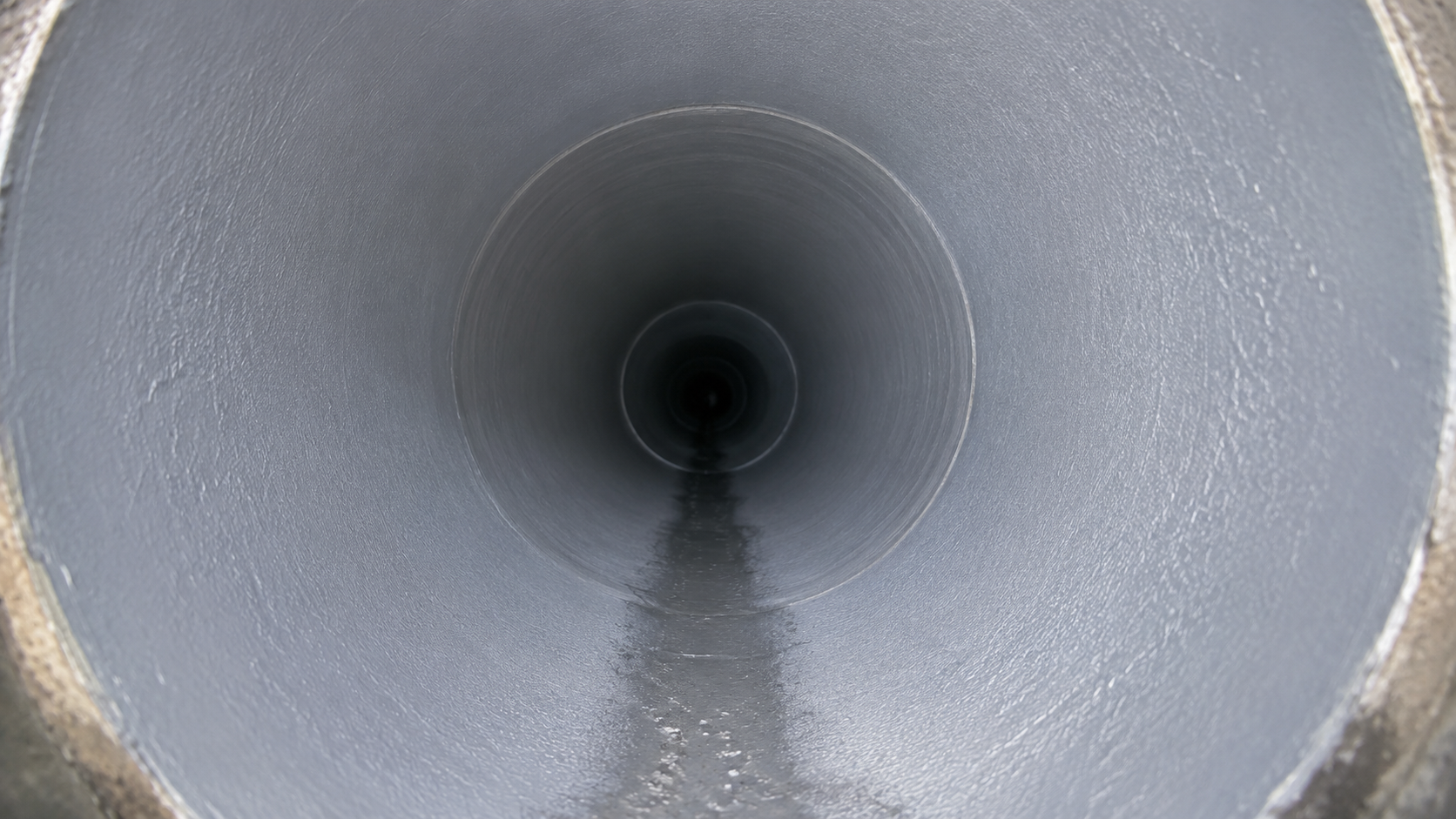
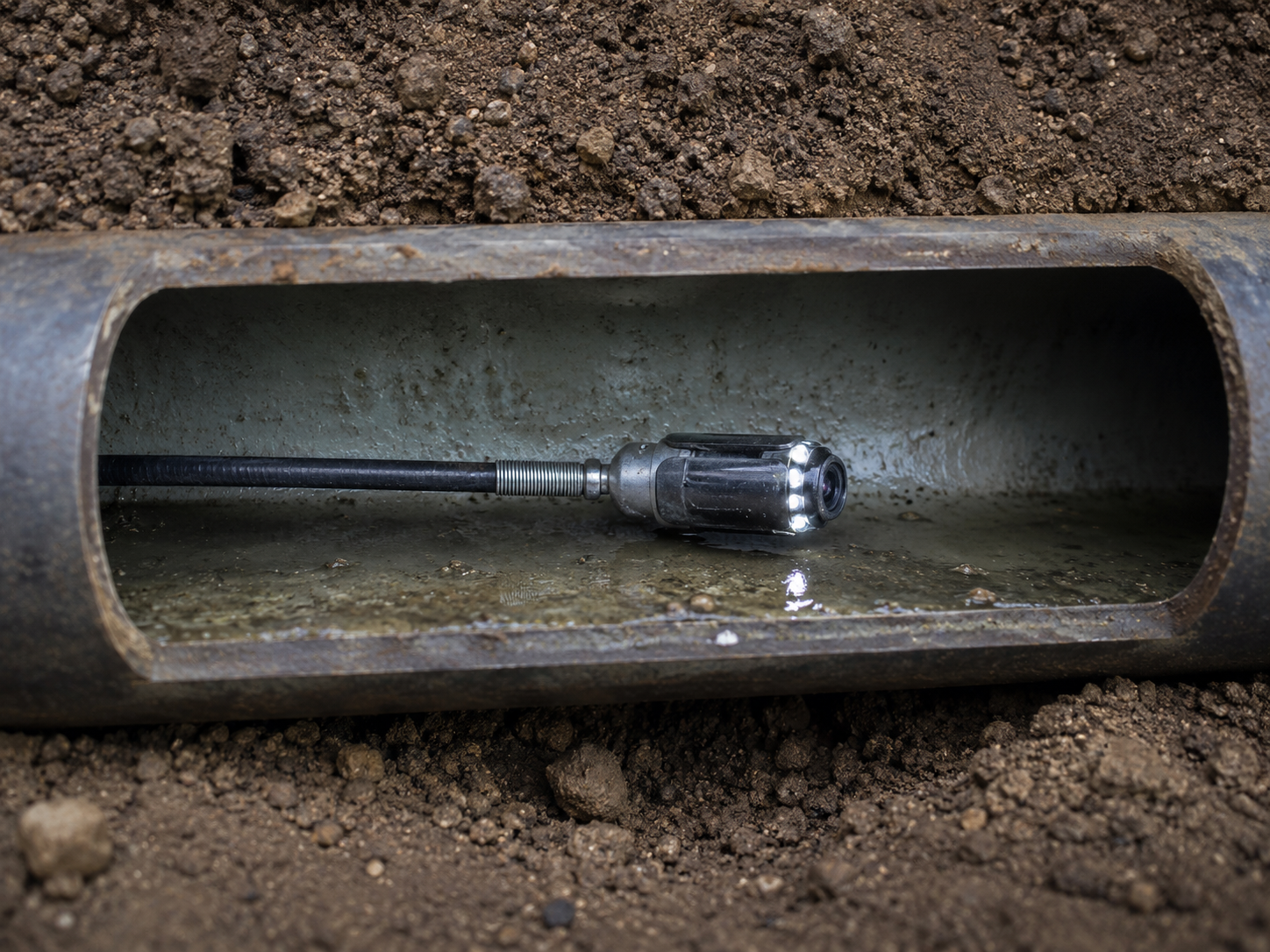
A sewer camera inspection helps identify what is happening inside the pipe before repair decisions are made. CCTV inspection can reveal root intrusion, cracks/fractures, corrosion, blockages, poor grade, buildup collapsed sections and other defects. Each inspection will provide you with a written analysis of your specific situation.
Camera Inspection & Sewer Assessment
Common reasons for inspection:
Recurring sewer backups
Suspected root intrusion
Slow drainage
Older sewer infrastructure
Pre-purchase assessments
Locating of damaged sections
Sewer Cleaning & Root Removal
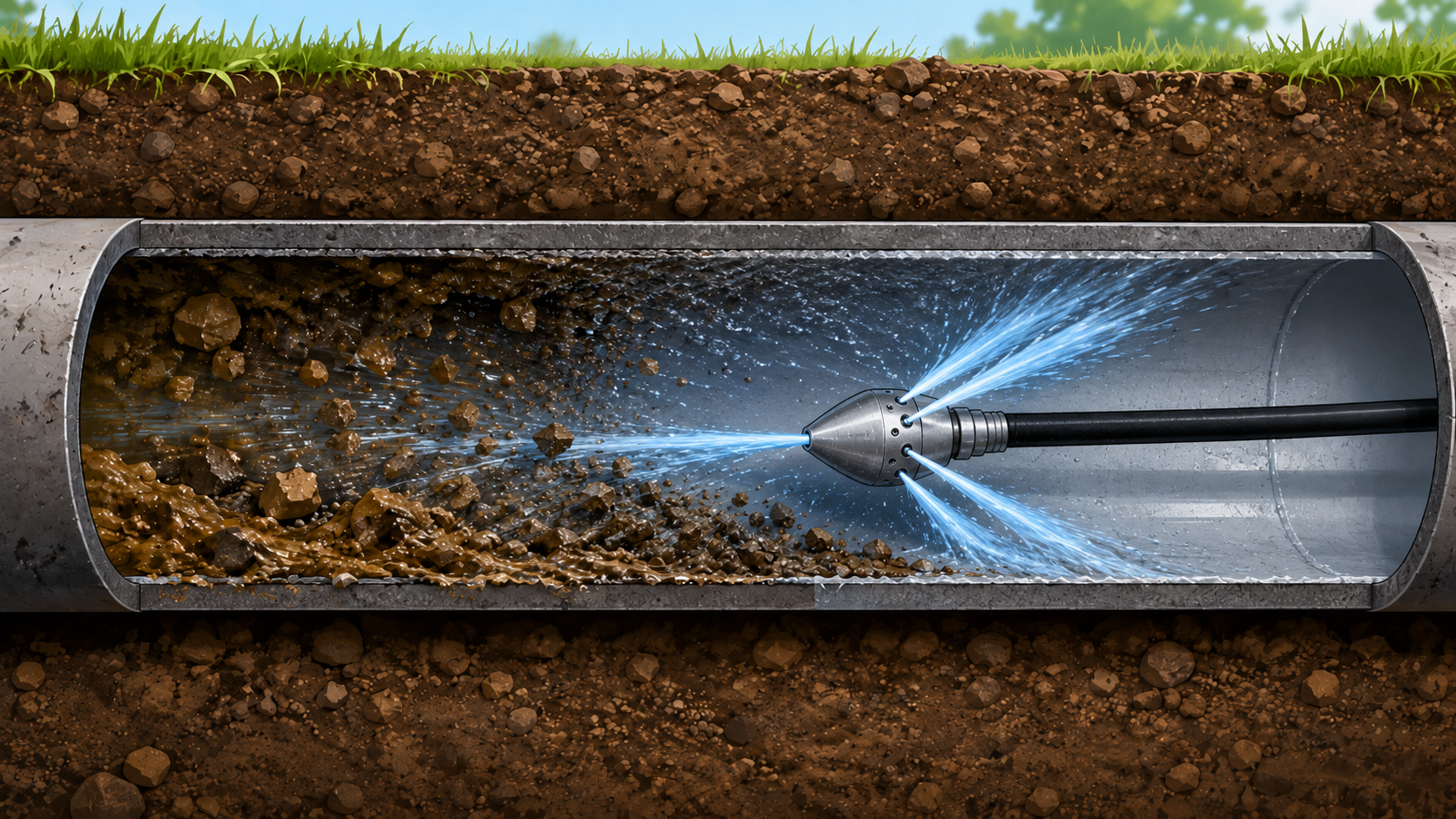
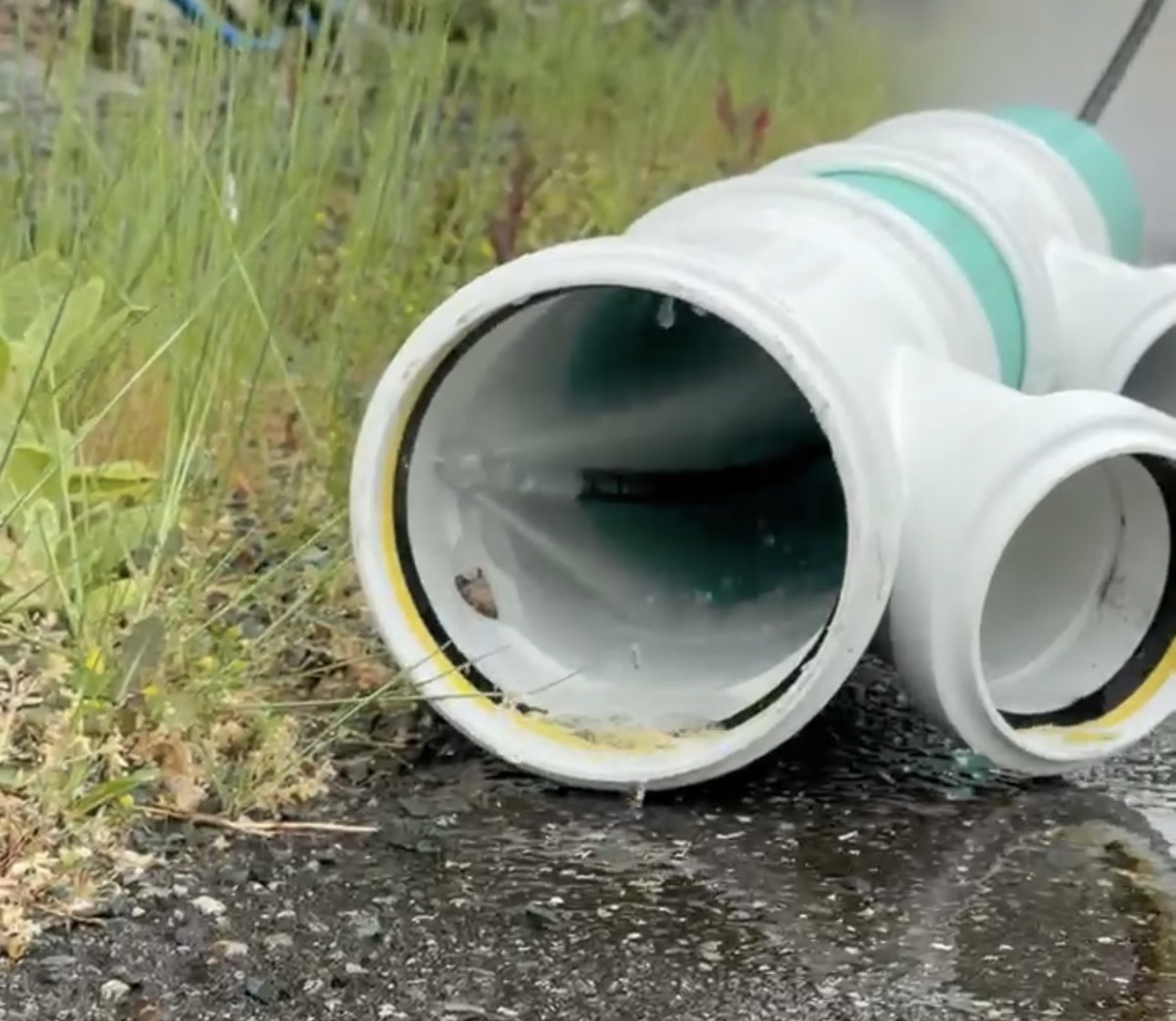
Sewer cleaning removes roots, grease, debris, buildup, and other obstructions that restrict flow or prevent a full inspection. Cleaning can restore drainage, improve inspection visibility and prepare the pipe for repair or rehabilitation.
Cleaning may be needed for:
Preparation for secondary inspection (low visibility)
Preventative maintenance
Preparation for rehabilitation
Root intrusions
Grease or debris buildup
Blocked or slow-flowing lines
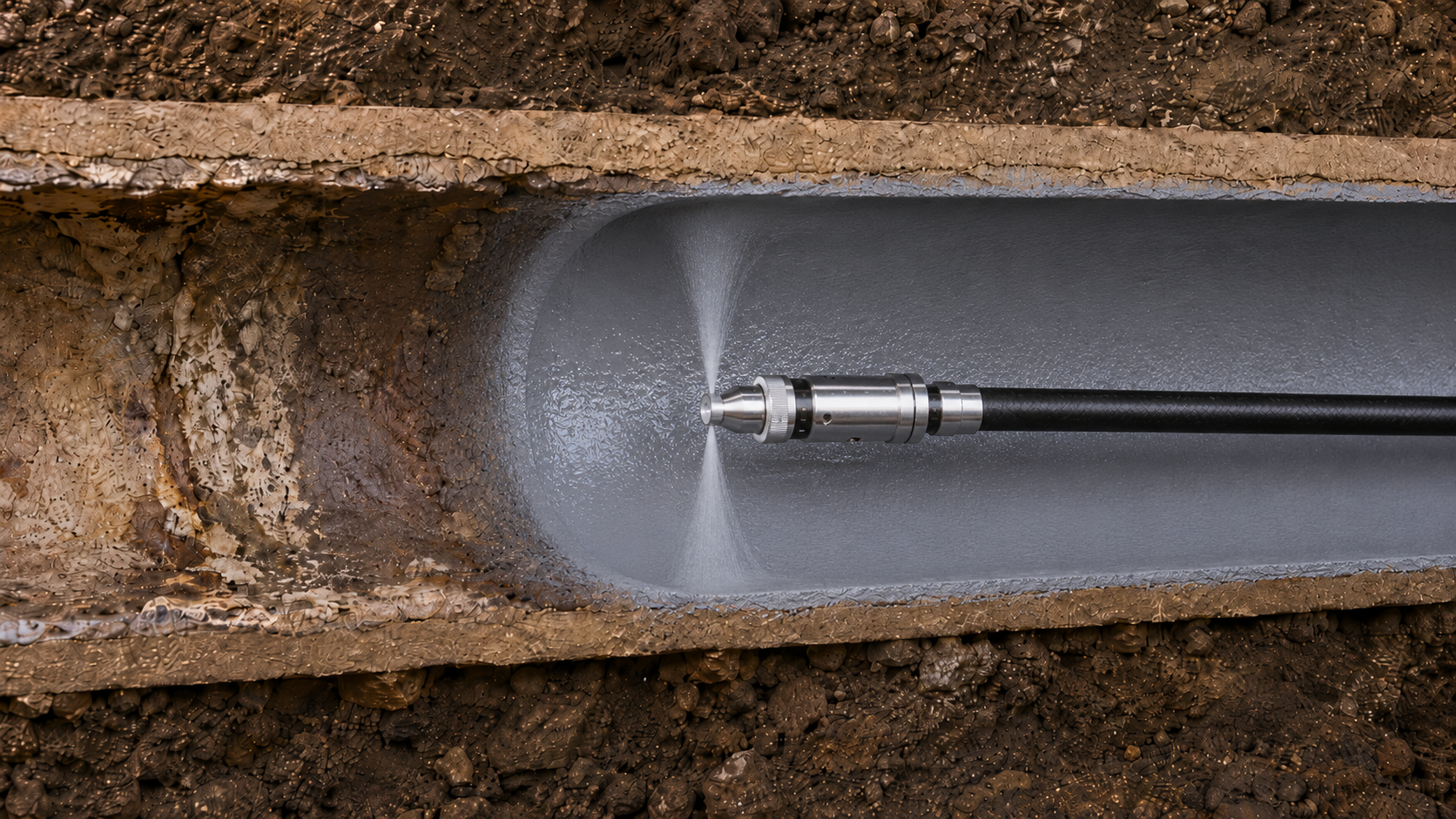
Structural polyurea sewer rehabilitation is a trenchless method used to restore suitable sewer pipe from the inside, instead of excavating the entire line, the pipe is cleaned, prepared and sprayed to create a durable renewed surface.
This can be a practical option for damaged or deteriorated sewer lines where excavation would be costly, disruptive, or difficult. Suitability depends on pipe condition, access, pipe size, and preparation requirements.
Structural Polyurea Sewer Rehabilitation

Not every pipe is a candidate for trenchless rehabilitation. A camera inspection is required to confirm suitability based on the specific pipe conditions.
Manhole Rehabilitation
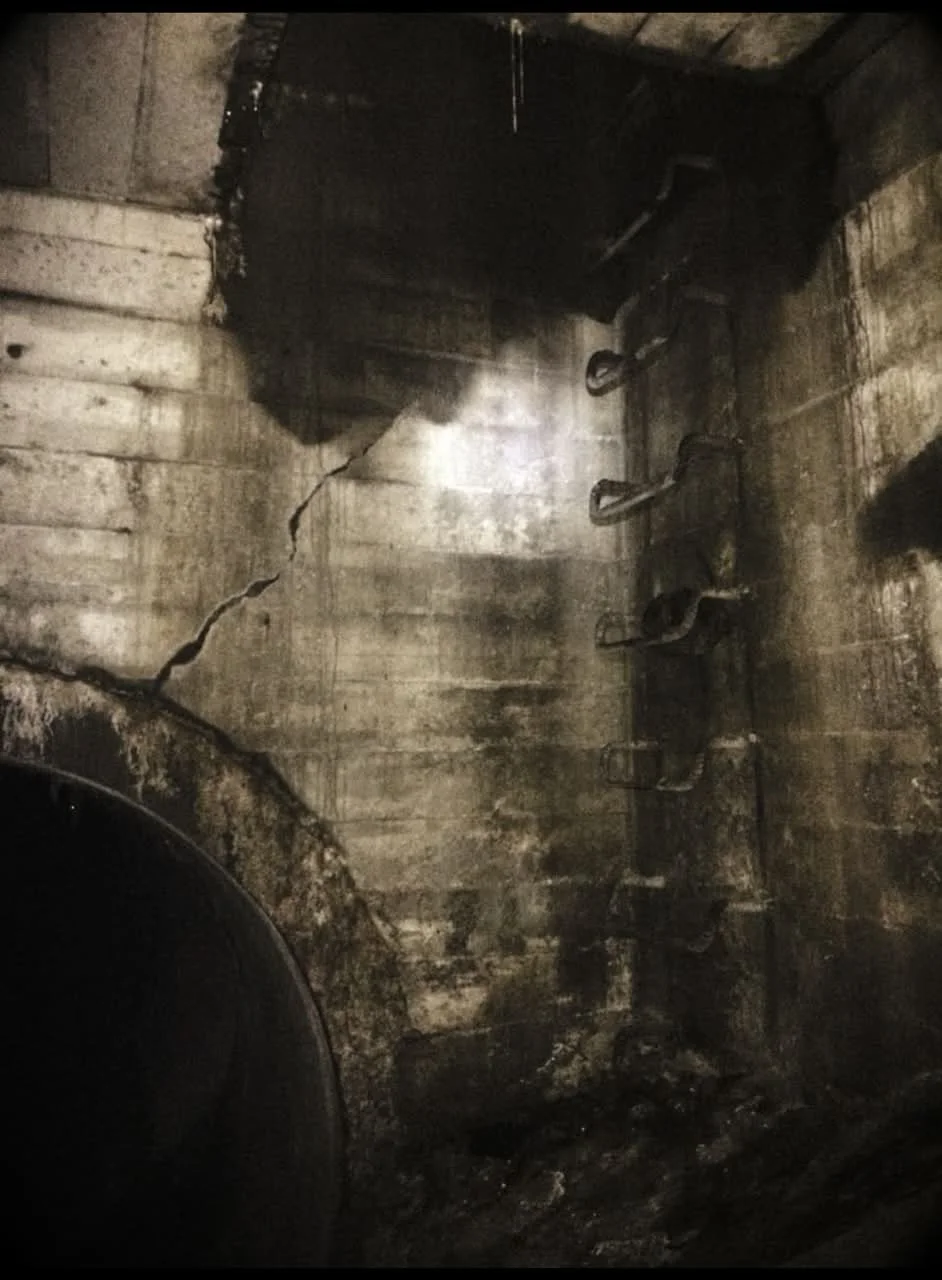
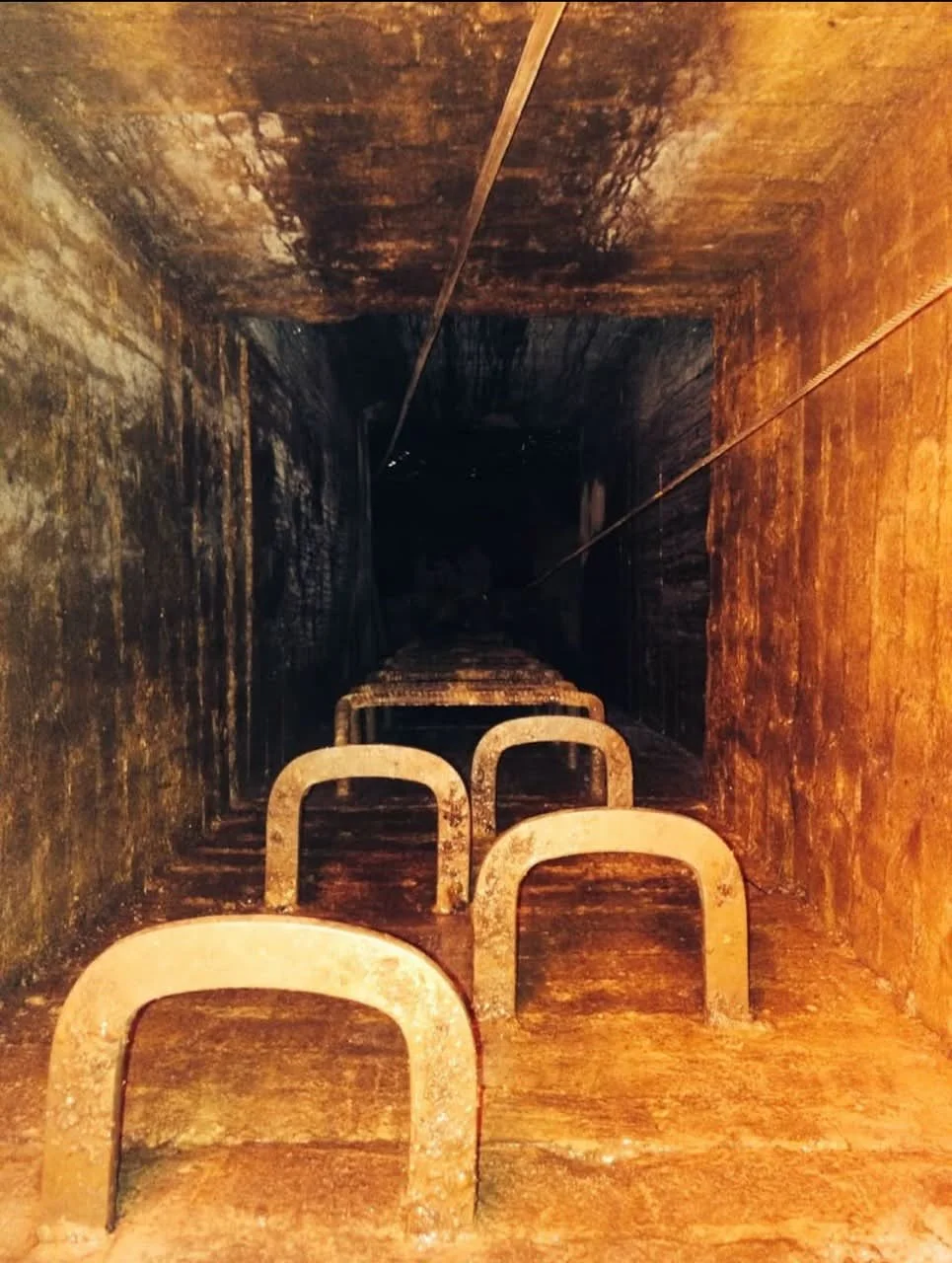
Manholes access points can deteriorate from corrosion, infiltration age, ground water and harsh service conditions. Rehabilitation helps protect these structures, reduce leakage, and extend service life without full replacement.
TrueLine can review manhole rehabilitation work including condition assessments, surface preparation, grouting requirements, coating requirements and site constraints.
Common structure issues:
Infiltration
Concrete deterioration
Corrosion
Leaking joints
Surface Wear
Industrial service conditions
Our Process

Inspect
We review the pipe or structure to understand the condition, access and cause of the issue.
Explain
We explain the findings clearly and outline a practical, cost effective solution.
Provide detailed quotation
We provide a detailed quote based on the discussed scope of work and pipe condition along with the video.
Complete the Work
We complete the approved cleaning, repair of full rehabilitation.
Review
We send you a post video and and review the work with you.